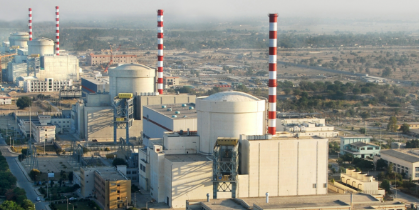
Atomic power generation, also known as nuclear power generation, is a method of producing electricity by using energy released from atomic nuclei. This technology plays an important role in meeting the world’s growing energy demands while reducing greenhouse gas emissions. Atomic power is a powerful and reliable energy source, but it also requires strict safety measures and responsible management.
What Is Atomic Power Generation?
Atomic power generation uses nuclear reactions, mainly nuclear fission, to produce heat. This heat is then converted into electricity in nuclear power plants. Unlike fossil fuels, atomic power does not rely on burning coal, oil, or gas, making it a low-carbon energy source.
How Atomic Power Plants Work
The process of atomic power generation involves several steps:
-
Nuclear Fission: Uranium fuel atoms are split inside the reactor core, releasing heat.
-
Heat Production: The heat generated is used to boil water.
-
Steam Generation: Steam is produced under high pressure.
-
Turbine Rotation: Steam spins turbines connected to generators.
-
Electricity Generation: Generators convert mechanical energy into electrical energy.
-
Cooling System: Cooling towers or water bodies cool the system for reuse.
Fuel Used in Atomic Power Generation
The most common fuel used is uranium-235. Sometimes plutonium-239 is also used. These fuels are chosen because they easily undergo fission and release large amounts of energy.
Advantages of Atomic Power Generation
-
Produces massive energy from small amounts of fuel
-
Low greenhouse gas emissions
-
Reliable and continuous electricity supply
-
Reduces dependence on fossil fuels
-
Supports industrial and economic growth
Disadvantages of Atomic Power Generation
-
Production of radioactive waste
-
Risk of nuclear accidents
-
High construction and maintenance costs
-
Long-term waste storage challenges
Atomic Power and the Environment
Atomic power plants do not emit carbon dioxide during electricity generation. This makes atomic energy an important tool in combating climate change. However, radioactive waste and potential radiation leaks pose environmental risks if not managed properly.
Safety Measures in Atomic Power Plants
Modern atomic power plants include advanced safety systems:
-
Multiple containment structures
-
Automatic shutdown systems
-
Radiation monitoring
-
Emergency cooling systems
Strict international regulations ensure plant safety.
Atomic Power Generation vs Fossil Fuels
| Feature | Atomic Power | Fossil Fuels |
|---|---|---|
| Carbon emissions | Very low | High |
| Fuel efficiency | Very high | Low |
| Pollution | Minimal | Severe |
| Reliability | High | High |
Future of Atomic Power Generation
The future includes:
-
Small Modular Reactors (SMRs)
-
Safer reactor designs
-
Nuclear fusion research
-
Improved waste recycling methods
These innovations aim to make atomic power safer and more sustainable.
Conclusion
Atomic power generation is a powerful and reliable source of electricity that can help meet global energy needs while reducing environmental pollution. Although it presents challenges such as radioactive waste and safety concerns, responsible use, advanced technology, and strict regulation can minimize risks.
With continued research and international cooperation, atomic power generation can play a key role in building a cleaner and more sustainable energy future.
