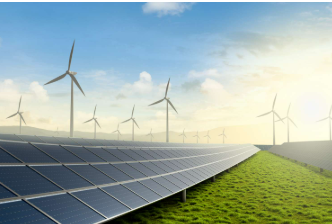
Clean energy technology refers to modern methods of producing energy that cause little or no harm to the environment. Unlike fossil fuels such as coal, oil, and gas, clean energy sources produce minimal greenhouse gases and help reduce air pollution. As the world faces climate change, rising energy demands, and environmental degradation, clean energy technology has become essential for a sustainable future.
What Is Clean Energy Technology?
Clean energy technology includes systems and innovations that generate power from renewable or low-emission sources. These technologies aim to reduce carbon footprints while providing reliable and affordable energy.
Common clean energy sources include:
-
Solar energy
-
Wind energy
-
Hydropower
-
Nuclear energy
-
Geothermal energy
-
Biomass energy
Importance of Clean Energy Technology
Clean energy technology is important for several reasons:
-
Reduces global warming and climate change
-
Improves air and water quality
-
Decreases dependence on fossil fuels
-
Enhances energy security
-
Creates new job opportunities
By shifting to clean energy, countries can protect the environment while supporting economic growth.
Major Types of Clean Energy Technologies
1. Solar Energy Technology
Solar panels convert sunlight into electricity using photovoltaic cells. Solar energy is renewable, widely available, and ideal for homes and industries.
2. Wind Energy Technology
Wind turbines use wind power to generate electricity. Wind energy is clean, cost-effective, and widely used in coastal and open land areas.
3. Hydropower Technology
Hydropower uses flowing water to turn turbines. It is one of the oldest and most reliable clean energy sources.
4. Nuclear Energy Technology
Nuclear power produces large amounts of electricity with very low carbon emissions. Though it requires strict safety measures, it is a major clean energy source.
5. Geothermal Energy Technology
Geothermal systems use heat from inside the Earth to generate power and provide heating.
6. Biomass Energy Technology
Biomass uses organic waste to produce energy. It helps reduce waste and supports sustainable energy production.
Advantages of Clean Energy Technology
-
Environmentally friendly
-
Reduces carbon emissions
-
Renewable and sustainable
-
Low operating costs in the long term
-
Improves public health
Challenges of Clean Energy Technology
-
High initial installation costs
-
Dependence on weather (solar and wind)
-
Energy storage limitations
-
Infrastructure and technology gaps
Despite these challenges, continuous innovation is improving efficiency and affordability.
Role of Clean Energy in Climate Change
Clean energy technology plays a critical role in reducing greenhouse gas emissions. By replacing fossil fuels, it helps slow global warming and protect ecosystems.
Future of Clean Energy Technology
The future of clean energy technology is promising:
-
Advanced battery storage systems
-
Smart grids
-
Green hydrogen energy
-
Improved nuclear fusion research
These developments will make clean energy more reliable and accessible worldwide.
Conclusion
Clean energy technology is the key to a sustainable and environmentally safe future. By investing in renewable and low-emission energy sources, societies can reduce pollution, fight climate change, and ensure energy security for future generations. The transition to clean energy is not just a choice—it is a necessity for the survival of our planet.
