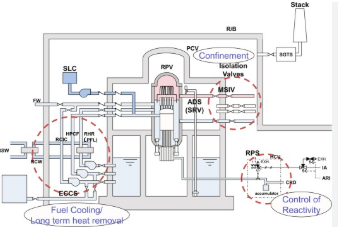
Nuclear safety systems are a set of technologies, procedures, and regulations designed to prevent accidents in nuclear facilities and protect humans and the environment from harmful radiation. Because nuclear power plants handle radioactive materials and produce enormous energy, safety is the most critical aspect of nuclear technology. Modern nuclear safety systems are built on multiple layers of protection to ensure that even if one system fails, others continue to operate.
Purpose of Nuclear Safety Systems
The main goals of nuclear safety systems are:
-
Prevent nuclear accidents
-
Control radioactive materials
-
Protect plant workers and the public
-
Minimize environmental damage
-
Ensure safe shutdown during emergencies
Defense-in-Depth Concept
Nuclear safety systems follow the defense-in-depth principle. This means multiple safety layers are used so that failure of one layer does not lead to a disaster.
Key Layers Include
-
Safe reactor design
-
Monitoring and control systems
-
Emergency cooling systems
-
Containment structures
-
Emergency response plans
Reactor Control Systems
Control Rods
Control rods absorb neutrons and regulate the nuclear reaction. They can be inserted quickly to stop the reactor in an emergency.
Reactor Protection System (RPS)
The RPS automatically shuts down the reactor if unsafe conditions are detected, such as high temperature or pressure.
Cooling and Heat Removal Systems
Emergency Core Cooling System (ECCS)
ECCS prevents reactor overheating by supplying cooling water during emergencies.
Residual Heat Removal System
Removes leftover heat even after the reactor is shut down.
Containment Systems
Containment structures are thick steel and concrete buildings that surround the reactor core.
-
Prevent radiation leakage
-
Protect against external threats
-
Maintain pressure control
Radiation Monitoring Systems
-
Detect radiation levels in and around the plant
-
Provide real-time data
-
Trigger alarms and safety actions
Electrical Power Safety Systems
-
Backup diesel generators
-
Battery systems
-
Redundant power supplies
These ensure safety systems remain active even during power loss.
Human and Operational Safety
-
Highly trained operators
-
Strict operational procedures
-
Regular safety drills
-
Safety culture and accountability
Fire Protection Systems
-
Fire detection sensors
-
Fire suppression systems
-
Fire-resistant materials
Fires can damage safety equipment, so prevention is crucial.
Emergency Preparedness and Response
Nuclear plants maintain detailed emergency plans:
-
Evacuation procedures
-
Communication systems
-
Coordination with local authorities
-
Public warning systems
Regulatory Oversight
-
National nuclear regulatory authorities
-
International Atomic Energy Agency (IAEA)
-
Safety inspections and audits
These bodies enforce strict safety standards worldwide.
Lessons from Past Accidents
Accidents such as Chernobyl and Fukushima led to major improvements in nuclear safety, including:
-
Stronger containment designs
-
Improved emergency cooling
-
Better risk assessment
Advanced Safety Technologies
Modern reactors include:
-
Passive safety systems (work without electricity)
-
Automatic shutdown features
-
Digital monitoring systems
Conclusion
Nuclear safety systems are essential for the safe operation of nuclear power plants. Through multiple layers of protection, advanced technology, skilled personnel, and strict regulations, the risks associated with nuclear energy can be effectively managed.
While no system is completely risk-free, continuous improvements and international cooperation ensure that nuclear energy remains one of the safest sources of large-scale electricity generation.
