Introduction
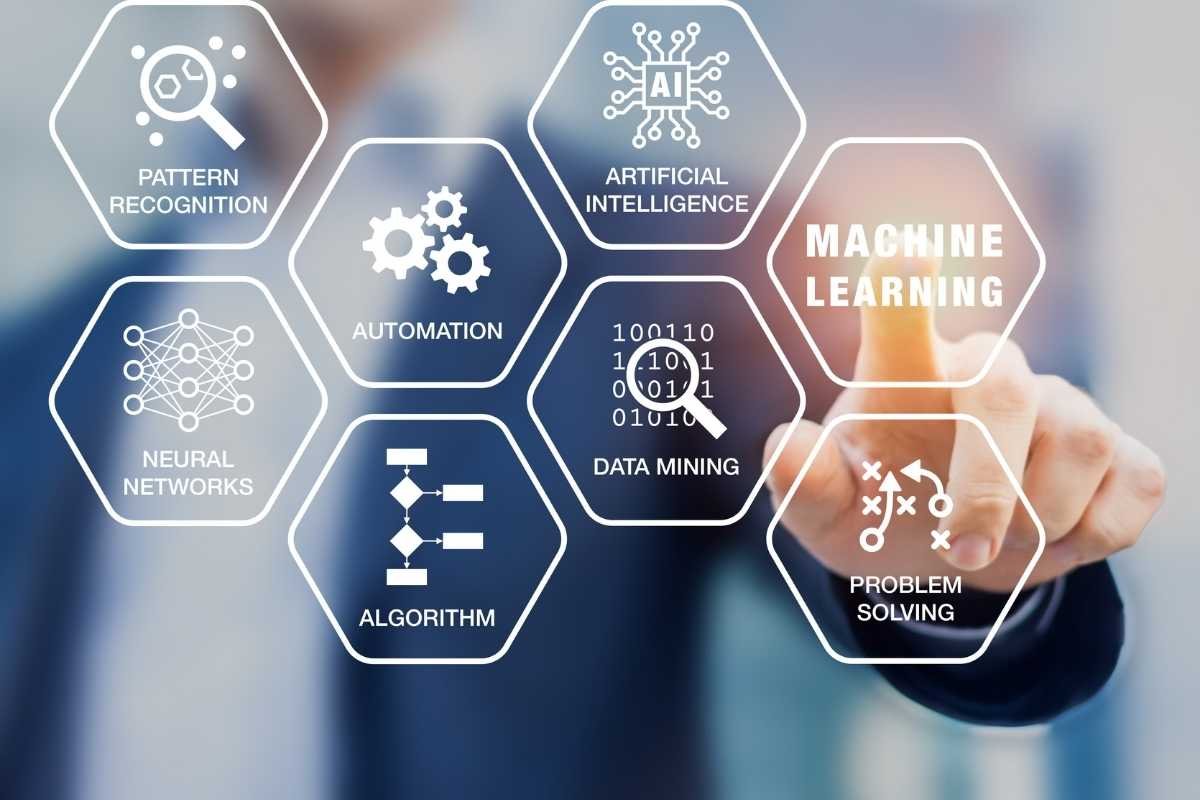
Machine Learning (ML) is one of the most important and powerful branches of modern technology. It is a subset of Artificial Intelligence (AI) that enables computers and machines to learn from data and improve their performance without being explicitly programmed. Instead of following fixed rules, machine learning systems analyze patterns, make predictions, and adapt over time.
Today, Machine Learning is used everywhere—from smartphones and social media to healthcare, banking, self-driving cars, and online shopping. It plays a major role in shaping the digital world and is considered a key technology of the future.
What is Machine Learning?
Machine Learning is a technology that allows computers to learn automatically from experience and data. The main idea behind ML is simple: machines learn from examples, just like humans do.
For example:
-
Email systems learn to identify spam
-
YouTube learns what videos you like
-
Online stores suggest products based on your behavior
In Machine Learning, the system is trained using data, and based on that data, it makes predictions or decisions.
History of Machine Learning
The concept of Machine Learning began in the 1950s. In 1959, Arthur Samuel defined Machine Learning as the ability of computers to learn without being explicitly programmed. Early ML systems were limited due to lack of data and computing power.
With the growth of:
-
Big Data
-
High-speed computers
-
Cloud technology
-
Advanced algorithms
Machine Learning has developed rapidly in the last decade. Today, it is one of the fastest-growing fields in computer science.
How Machine Learning Works
Machine Learning works through a process of data collection, training, and prediction. The main steps include:
-
Data Collection – Gathering large amounts of relevant data
-
Data Preparation – Cleaning and organizing the data
-
Training the Model – Feeding data into algorithms
-
Testing the Model – Checking accuracy using new data
-
Prediction – Using the model to make decisions
The better the quality and quantity of data, the better the machine learning system performs.
Types of Machine Learning
Machine Learning is mainly divided into three types:
1. Supervised Learning
In supervised learning, the machine is trained using labeled data. This means the input data is already tagged with correct answers.
Examples:
-
Email spam detection
-
Price prediction
-
Image classification
Common algorithms:
-
Linear Regression
-
Decision Trees
-
Support Vector Machines
2. Unsupervised Learning
In unsupervised learning, the machine works with unlabeled data. It identifies hidden patterns and structures without human guidance.
Examples:
-
Customer segmentation
-
Market analysis
-
Pattern recognition
Common algorithms:
-
K-Means Clustering
-
Hierarchical Clustering
-
Association Rules
3. Reinforcement Learning
Reinforcement learning is based on rewards and penalties. The machine learns by interacting with an environment and improves its behavior through trial and error.
Examples:
-
Game-playing AI
-
Robotics
-
Self-driving cars
The system receives rewards for correct actions and penalties for wrong ones.
Machine Learning Algorithms
Some popular Machine Learning algorithms include:
-
Linear Regression – Used for prediction
-
Logistic Regression – Used for classification
-
Decision Trees – Easy-to-understand models
-
Random Forest – Multiple decision trees combined
-
Neural Networks – Inspired by the human brain
-
Deep Learning – Advanced neural networks for complex tasks
Each algorithm is used for different purposes depending on the problem and data.
Applications of Machine Learning
Machine Learning is used in many real-world applications:
1. Healthcare
Machine Learning helps in disease diagnosis, medical image analysis, drug discovery, and patient monitoring. It improves accuracy and saves lives.
2. Finance and Banking
Banks use ML for fraud detection, credit scoring, risk management, and algorithmic trading. It increases security and efficiency.
3. Education
ML provides personalized learning, automated grading, smart tutoring systems, and performance analysis for students.
4. E-commerce
Online stores use ML for product recommendations, price optimization, inventory management, and customer behavior analysis.
5. Transportation
Machine Learning is a key technology behind self-driving cars, traffic prediction, and route optimization.
6. Social Media
Platforms like Facebook, Instagram, and TikTok use ML to recommend content, detect fake accounts, and analyze user engagement.
Advantages of Machine Learning
Machine Learning offers many benefits:
-
Automation – Reduces manual work
-
High Accuracy – Improves decision-making
-
Scalability – Handles large data easily
-
Personalization – Customized user experiences
-
Time-Saving – Faster data analysis
Disadvantages of Machine Learning
Despite its benefits, Machine Learning has some limitations:
-
Data Dependency – Requires large datasets
-
High Cost – Development and maintenance are expensive
-
Bias Issues – Biased data leads to biased results
-
Complexity – Difficult to understand and manage
-
Job Impact – Automation may reduce some jobs
Machine Learning vs Artificial Intelligence
Artificial Intelligence is a broader concept that focuses on creating intelligent machines. Machine Learning is a subset of AI that focuses on learning from data.
-
AI: Simulates human intelligence
-
ML: Learns from data automatically
All Machine Learning is AI, but not all AI is Machine Learning.
Ethical Challenges in Machine Learning
Machine Learning raises ethical concerns such as data privacy, surveillance, algorithmic bias, and lack of transparency. Responsible use of ML requires strong data protection laws and ethical guidelines.
Governments and organizations must ensure fairness, transparency, and accountability in ML systems.
Future of Machine Learning
The future of Machine Learning is very bright. It will play a major role in:
-
Smart cities
-
Advanced healthcare systems
-
Climate change solutions
-
Robotics and automation
-
Personalized education
As technology advances, Machine Learning will become more accurate, efficient, and widely used.
Conclusion
Machine Learning is a revolutionary technology that is transforming the modern world. It allows machines to learn from data, make decisions, and improve over time. From healthcare and finance to education and entertainment, Machine Learning is everywhere.
While it offers many advantages, challenges like data privacy, bias, and job displacement must be addressed carefully. With responsible development and ethical use, Machine Learning can become one of the most powerful tools for human progress.
